
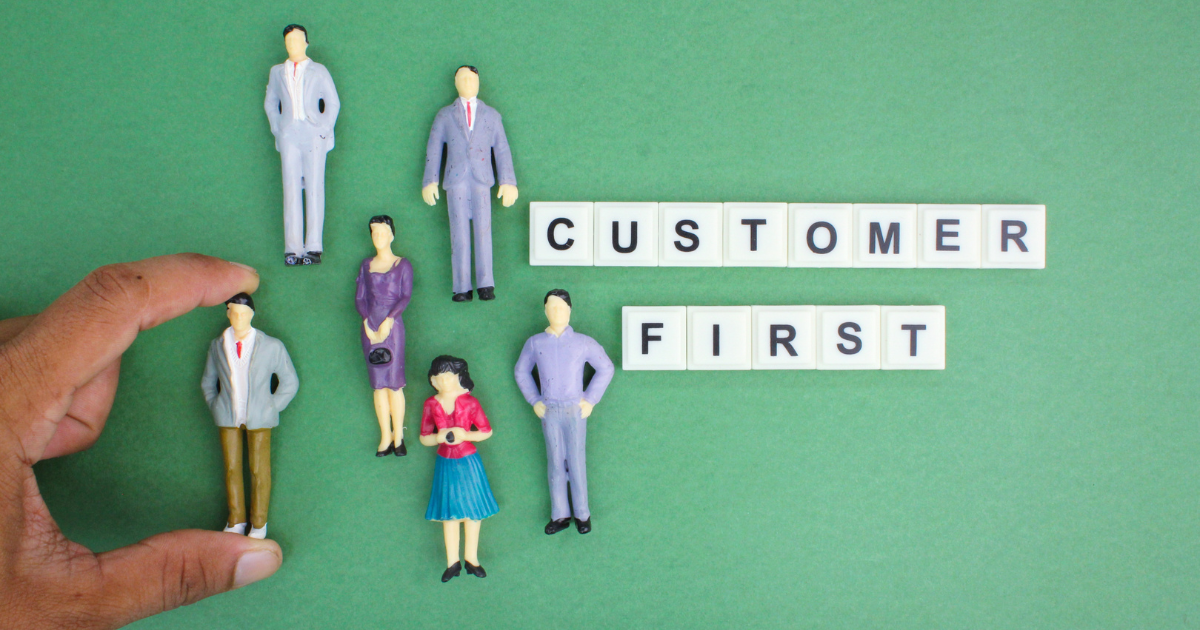
“Think of your customer’s customer.”
This is not a new idea. Organisations with strong marketing practices have always believed in it. What has changed today is the context in which this thinking must be applied.
Today, businesses can no longer afford to look only at their direct customers. To stay relevant and grow sustainably, they must understand and support the people their customers serve.
Because one truth remains constant:
If your customer has no customer, you have no customer.
Why Thinking Beyond Your Customer Matters
There are several reasons why this approach has become critical:
If your customer does not have customers of their own, your relationship with them cannot sustain itself. Your customer does not buy your product or service just to own it, they buy it to add value to someone else.
As a business, you are part of a value chain. It is your responsibility to strengthen that chain by contributing value wherever possible. When you give value, you receive value—sometimes directly, sometimes indirectly.
Continuing to operate with a narrow, inward-looking mindset is risky. No organisation can function like a solo performer. Business success, much like an orchestra, requires coordination and collaboration.
Thinking of the customer’s customer pushes organisations to move from selling products to solving problems.
Who Is the Customer’s Customer?
The customer’s customer could be:
- The end user or consumer
- Internal customers such as employees or departments
- Channel partners or service users
In B2B businesses especially, you serve your customer so that they can serve their customers better. Understanding this final layer gives you a deeper and more sustainable market perspective.
From Selling to Solving: A Shift in Mindset
The real question is whether organisations are ready to adopt the pains, problems, challenges, and frustrations of their customer’s customer.
This requires a proactive approach. It calls for collaboration with customers to jointly solve end-user problems, rather than focusing only on selling products or services.
When you do, you move from being a vendor to becoming a problem-solving partner.
This requires being proactive, empathetic, and collaborative.
Examples of Thinking One Level Deeper
- Retail Technology Solutions
Imagine a company providing software automation to retailers. Peak hours already create long queues. Changes in consumer behaviour and operational constraints only make this harder.
The question is not:
“Is this within my software scope?”
The better question is:
“How can I help the retailer manage the end customer experience better?”
Solutions may involve process redesign, integration, or innovation beyond the original product offering.
- Fitness and Wellness Ecosystem
Think of a company manufacturing gym equipment or managing fitness facilities.
Their real concern should not be selling machines, but helping gyms retain members, ensure safety, and maintain engagement.
When you help your customer solve their customer’s problem, selling becomes a natural outcome, not the objective.
- Agriculture and Rural Solutions
An agricultural equipment manufacturer may sell to government bodies or NGOs. But the real beneficiaries are farmers.
Training, education, and correct usage can significantly improve outcomes for farmers, and build long-term partnerships for the manufacturer.
This approach works best when driven by genuine intent, not short-term sales targets.
- Builders and Solar Solution Providers
A builder does not adopt solar solutions to benefit the solar company. They do it to add value for home buyers.
Understanding this helps solar solution providers design services that:
- Improve buyer confidence
- Reduce long-term costs
- Strengthen the builder’s value proposition
Context matters more than the product itself.
Don’t Forget Your Channel Partners
Channel partners are often described as the organisation’s extended arm. The question is how strong that arm is today.
Supporting channels with the right tools, knowledge, and empathy helps them serve their customers better and strengthens the entire value chain.
Marketing With Empathy, Not Expectation
This approach requires genuine empathy.
It is like a caring mother sending food not just for her daughter, but for her daughter’s colleague who has just returned to work. There is no expectation, no calculation. Only care.
This is the mindset organisations must adopt when dealing with today’s markets.
Not transactional.
Not opportunistic.
But deeply human.
Giving Is Receiving
When businesses sincerely help customers succeed with their customers, trust builds naturally. Relationships deepen. Business follows.
Let us end where we began:
If your customer has no customer, you have no customer.
Thinking one level deeper is no longer optional.
It is essential for long-term relevance and growth.